

Beyond the Scale: Your Complete Guide to Body Composition Monitoring on GLP-1 Weight Loss Medications
If you’re considering or already taking GLP-1 medications like Ozempic, Wegovy, Mounjaro, or Zepbound, you’ve probably experienced something remarkable—the scale is finally moving in the right direction. Maybe you’ve lost 20, 30, or even 50 pounds, and for the first time in years, you feel like you’re winning the battle against weight. Your clothes fit better, you have more energy, and people are starting to notice the changes. It’s an incredible feeling, isn’t it?
But here’s something that might surprise you: the number on your bathroom scale is only telling you part of the story. While you’re celebrating those lost pounds (and you absolutely should!), there’s a crucial question that most people don’t think to ask: What kind of weight are you actually losing?
This isn’t meant to diminish your success—quite the opposite. Understanding what’s happening inside your body during your GLP-1 journey can help you maximize your results and ensure that the weight you’re losing stays off for good. At Connexus Clinic, we’ve seen hundreds of patients transform their lives with these medications, and the ones who achieve the most sustainable, long-term success are those who look beyond the scale and focus on something called body composition.
What Exactly Are GLP-1 Medications Doing to Your Body?
Let’s start with the good news—GLP-1 medications are incredibly effective. These drugs work by mimicking a natural hormone in your body called glucagon-like peptide-1, which helps regulate your appetite, slows down how quickly food leaves your stomach, and improves your blood sugar control. The result? You feel full sooner, stay satisfied longer, and naturally eat less without the constant battle against hunger that makes traditional dieting so difficult.
The clinical results speak for themselves. Patients using semaglutide (the active ingredient in Ozempic and Wegovy) typically lose about 15% of their body weight, with some achieving up to 20% weight loss. Tirzepatide (found in Mounjaro and Zepbound) is even more impressive, with studies showing average weight loss ranging from 15% to over 21%. In head-to-head comparisons, tirzepatide consistently outperforms semaglutide, making it one of the most effective weight loss treatments available today.
But here’s where things get interesting—and why we need to talk about body composition. When you lose weight quickly (which is often what happens with GLP-1s), your body doesn’t just burn fat. It also breaks down lean tissue, including muscle, bone, and organ tissue. Research consistently shows that during significant weight loss, about 70-80% of the weight lost comes from fat, but 20-30% comes from lean mass. Some studies of GLP-1 users have found lean mass reductions between 5% and 15%.
Now, before you panic, this isn’t unique to GLP-1 medications. This happens with any form of rapid weight loss, whether from diet, exercise, or surgery. But because GLP-1s can produce such dramatic results so quickly, this effect can be more pronounced. Think of it as your body going into a kind of “emergency mode”—when calories are severely restricted, it starts breaking down whatever tissue it can for energy, and unfortunately, muscle is easier to break down than fat.
Why Losing Muscle Is a Bigger Problem Than You Think
You might be thinking, “So what if I lose some muscle? I’m still losing weight, and that’s what matters, right?” We understand this perspective, but losing muscle mass can actually sabotage your long-term success in ways you might not expect.
First, let’s talk about your metabolism. Muscle tissue is like a furnace that’s constantly burning calories, even when you’re sleeping. For every pound of muscle you lose, your basal metabolic rate—the number of calories your body burns just to keep you alive—decreases. This is why many people find it harder and harder to continue losing weight as they progress, and why weight regain is so common. When you lose muscle, you’re essentially turning down your metabolic thermostat, making it much easier to regain weight once you reach your goal.
Second, muscle loss affects your daily life in ways you might not immediately notice. Muscle isn’t just about looking toned—it’s what allows you to carry groceries up the stairs, play with your kids or grandkids, and maintain your independence as you age. Significant muscle loss can lead to a condition similar to sarcopenia, where you become weaker and more prone to falls and injuries. We’ve seen patients who lost substantial weight but found themselves feeling frail and weak, unable to enjoy the active lifestyle they thought their weight loss would provide.
Finally, muscle plays a crucial role in your overall health. It’s one of the primary sites where your body processes glucose, so maintaining muscle mass helps keep your blood sugar stable and reduces your risk of diabetes. Muscle also supports bone health, cardiovascular function, and even immune system strength. The aesthetic concern of “Ozempic face”—that gaunt, aged appearance some people develop—is often a visible sign of broader muscle loss throughout the body.
The Game-Changer: Why Connexus Clinic Is Different
This is where Connexus Clinic stands apart from other weight loss providers. We don’t just prescribe medication and send you on your way. We understand that successful, sustainable weight loss requires a comprehensive approach that includes monitoring what’s happening inside your body, not just what the scale says.
Here’s something that makes us unique in Alabama and the entire Gulf Coast region: we have the only commercially available full-body composition DEXA scanner in the area. This isn’t just a fancy scale or a simple body fat analyzer—this is the same technology used in research hospitals and elite athletic facilities to provide the most accurate picture possible of your body composition.
But we don’t stop there. We also offer InBody analysis for our corporate wellness programs, bringing advanced body composition monitoring directly to workplaces throughout our region. Whether you’re an individual patient or part of a company wellness initiative, we have the tools and expertise to help you understand and optimize your body composition throughout your weight loss journey.
The Truth About Common Body Composition Methods (And Why Most Fall Short)
Before we dive into the gold standard methods, let’s talk about what doesn’t work well—because chances are, you’ve tried some of these approaches before.
The Limitations of Skin Calipers
You’ve probably seen those pincer-like tools that personal trainers use to pinch your skin at various spots on your body. While skinfold calipers can be accurate when used by a highly trained professional, they have significant limitations. First, they only measure subcutaneous fat (the fat just under your skin) and can’t tell you anything about visceral fat—the dangerous fat around your organs that’s most closely linked to health problems.
More importantly, the accuracy of caliper measurements depends entirely on the skill of the person using them. Inconsistent technique, measuring at slightly different spots, or variations in how hard the calipers are pinched can lead to wildly different results. We’ve seen patients get completely different body fat percentages from the same technician on the same day, simply due to measurement inconsistencies.
Why Your Smart Scale Isn’t Telling You the Whole Story
Those bioelectrical impedance scales that send a small electrical current through your body? They’re convenient, and they can be useful for tracking general trends, but they have some serious limitations that you need to understand.
These scales work on the principle that different tissues conduct electricity differently—muscle conducts electricity well because it contains a lot of water, while fat doesn’t conduct as well. The problem is that your hydration status, what you’ve eaten recently, whether you’ve exercised, and even the temperature of your feet can dramatically affect the readings.
We’ve had patients whose “body fat percentage” according to their home scale varied by 5-10% from morning to evening, simply based on their hydration levels. If you’re dehydrated, the scale might tell you that you have more body fat than you actually do. If you’re well-hydrated, it might underestimate your body fat. While these scales can be useful for tracking general trends over time (if you use them consistently under the same conditions), they’re not reliable for making important decisions about your health and fitness strategy.
The Gold Standard: DEXA Scanning at Connexus Clinic
This is where our DEXA scanner becomes invaluable. DEXA (Dual-Energy X-ray Absorptiometry) is considered the gold standard for body composition analysis, and for good reason. This technology uses two low-dose X-ray beams to provide an incredibly detailed and accurate breakdown of your body into three main components: bone mineral content, fat mass, and lean mass.
What makes DEXA so special? First, it’s remarkably accurate—we’re talking about precision that rivals the methods used in research studies. Second, it doesn’t just give you whole-body numbers; it shows you exactly where your fat and muscle are distributed throughout your body. You can see how much muscle you have in your arms versus your legs, how much visceral fat is around your organs, and track changes in specific body regions over time.
The scan itself is quick and comfortable—you simply lie on a table for about 10 minutes while the scanner passes over your body. The radiation exposure is extremely low, less than you’d get from a day of natural background radiation. When you’re done, you’ll have a comprehensive report that shows not just your total body fat percentage, but a detailed map of your body composition that can guide your nutrition and exercise decisions.
For our patients starting GLP-1 therapy, we typically recommend a baseline DEXA scan before beginning treatment, then follow-up scans every 6-12 months to track your progress. This allows us to see exactly how your body is responding to the medication and make adjustments to your nutrition and exercise plan to maximize fat loss while preserving precious muscle mass.
Your Action Plan: Protecting and Building Muscle During GLP-1 Treatment
Understanding the problem is just the first step. The real magic happens when you take proactive steps to ensure that the weight you’re losing is primarily fat, not muscle. Here’s your comprehensive strategy:
Protein: Your Muscle’s Best Friend
If there’s one dietary change that can make the biggest difference in preserving muscle during weight loss, it’s increasing your protein intake. Protein provides the building blocks your body needs to maintain and repair muscle tissue, especially during periods of calorie restriction.
The research is clear: you should aim for about 1.0 to 1.2 grams of protein per kilogram of body weight daily. For most people, that translates to roughly 0.7 to 1.0 grams per pound. So if you weigh 200 pounds, you should be getting 140-200 grams of protein per day. That might sound like a lot, but it’s absolutely crucial for muscle preservation.
The key is to spread this protein throughout the day. Instead of having one massive protein-heavy meal, try to include 25-30 grams of high-quality protein at each meal. This keeps your muscle protein synthesis—the process by which your body builds and repairs muscle—active throughout the day.
Focus on high-quality sources like lean meats (chicken, turkey, lean beef), fish, eggs, Greek yogurt, and cottage cheese. If you’re plant-based, excellent options include tofu, tempeh, lentils, beans, and high-quality protein powders. Given that GLP-1 medications can significantly reduce your appetite, it’s often helpful to prioritize protein at the beginning of each meal to ensure you’re meeting your daily targets.
Resistance Training: The Non-Negotiable Component
Here’s something that might surprise you: cardio alone won’t preserve your muscle mass during weight loss. While walking, cycling, and other cardiovascular exercises are fantastic for your heart and overall health, they don’t provide the specific stimulus your muscles need to maintain their size and strength during calorie restriction.
Resistance training—working your muscles against an opposing force—is the most powerful tool you have for muscle preservation. This doesn’t mean you need to become a bodybuilder or spend hours in the gym every day. Even two to three resistance training sessions per week can make a dramatic difference in your body composition outcomes.
Resistance training can take many forms. You might use free weights like dumbbells and barbells, machines at a gym, resistance bands, or even your own body weight through exercises like squats, lunges, push-ups, and planks. The key is progressive overload—gradually increasing the challenge over time by adding weight, doing more repetitions, or making the exercises more difficult.
If you’re new to resistance training, don’t worry. Start with bodyweight exercises or light weights, focus on proper form, and gradually build up your strength. Many of our patients have found success with online workout programs, personal trainers, or even group fitness classes that incorporate strength training elements.
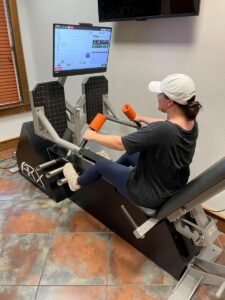
The Supporting Cast: Sleep, Hydration, and Stress Management
While protein and resistance training are the stars of the show, several supporting factors can significantly impact your body composition results.
Sleep is crucial—aim for 7-8 hours per night. This is when your body does most of its muscle repair and recovery work, and when important hormones like growth hormone are released. Poor sleep can actually promote muscle loss and fat storage, undermining all your other efforts.
Stay well-hydrated throughout the day. Water is essential for muscle function, nutrient transport, and virtually every metabolic process in your body. As a bonus, proper hydration will also help ensure more accurate readings if you’re using bioelectrical impedance scales for tracking.
Don’t forget about cardiovascular exercise entirely. While it’s not the primary driver of muscle preservation, activities like walking, swimming, or cycling are excellent for heart health, endurance, and overall calorie burn. The key is balance—combine cardio with resistance training rather than relying on cardio alone.
Tracking Your Progress: Making Data-Driven Decisions
With the right monitoring tools, you can make informed adjustments to your approach rather than guessing whether your strategy is working. Here’s how to use different methods effectively:
If you’re using our DEXA scanner (which we highly recommend), you’ll get the most comprehensive and accurate picture of your progress. Schedule scans every 6-12 months to track long-term trends in fat loss and muscle preservation. The detailed regional analysis can help you identify areas where you might need to focus more attention.
For more frequent monitoring, a high-quality bioelectrical impedance scale can be useful for tracking trends, as long as you understand its limitations. Use it consistently—same time of day, same conditions—and focus on the overall trend rather than day-to-day fluctuations.
We also offer InBody analysis as part of our corporate wellness programs. These professional-grade bioelectrical impedance devices are more accurate than home scales and can provide valuable insights for tracking your progress between DEXA scans.
The Connexus Clinic Advantage: Your Partners in Sustainable Success
What sets Connexus Clinic apart isn’t just our advanced technology—it’s our comprehensive approach to your success. We understand that GLP-1 medications are powerful tools, but they’re most effective when combined with a strategic approach to nutrition, exercise, and body composition monitoring.
Our team doesn’t just prescribe medication and send you on your way. We work with you to develop a personalized plan that includes:
- Baseline and follow-up DEXA scans to accurately track your body composition changes
- Nutritional guidance tailored to your specific needs and the unique challenges of GLP-1 therapy
- Exercise recommendations that fit your fitness level and lifestyle
- Ongoing monitoring and adjustments to ensure you’re losing fat, not muscle
- Support and education to help you maintain your results long-term
For our corporate wellness clients, we bring this same level of expertise directly to your workplace with our InBody analysis services. We can help your entire team understand their body composition and develop strategies for healthier, more sustainable weight management.
Your Next Steps: Taking Control of Your Body Composition
If you’re currently taking GLP-1 medications or considering starting treatment, don’t wait to start monitoring your body composition. The earlier you establish a baseline and begin implementing muscle-preserving strategies, the better your long-term results will be.
Here’s what we recommend:
- Schedule a baseline DEXA scan before starting GLP-1 therapy, or as soon as possible if you’ve already begun treatment. This will give you a clear picture of your starting point and help guide your strategy.
- Prioritize protein and resistance training from day one. Don’t wait until you’ve lost significant weight to start thinking about muscle preservation—start protecting your muscle mass immediately.
- Plan for regular follow-up scans every 6-12 months to track your progress and make adjustments to your approach as needed.
- Work with healthcare providers who understand body composition, not just weight loss. The number on the scale is important, but it’s not the whole story.
Ready to take the next step? You can schedule your DEXA scan today by visiting mobile.dexafit.com. Our state-of-the-art mobile DEXA unit makes it convenient to get the most accurate body composition analysis available, right here in Alabama and the Gulf Coast region.
Important Medical Considerations and Disclaimers
Before we wrap up, it’s important to address some key medical considerations about GLP-1 medications. While these treatments have been life-changing for many of our patients, they’re not right for everyone, and they do come with potential risks and side effects that you should discuss thoroughly with your healthcare provider.
Common side effects of GLP-1 medications can include nausea, vomiting, diarrhea, constipation, and abdominal pain. These effects are often most pronounced when starting treatment or increasing doses, and they typically improve over time as your body adjusts to the medication.
More serious potential risks include pancreatitis, gallbladder problems, kidney issues, and in rare cases, vision loss and thyroid tumors. Your healthcare provider will evaluate your medical history and current health status to determine if GLP-1 therapy is appropriate for you.
Drug interactions are possible with GLP-1 medications, particularly with diabetes medications, blood thinners, and certain other prescription drugs. Always provide your healthcare provider with a complete list of all medications and supplements you’re taking.
Pregnancy and breastfeeding: GLP-1 medications are not recommended during pregnancy or breastfeeding. If you’re planning to become pregnant, discuss this with your healthcare provider well in advance.
Individual results vary: While clinical trials show impressive average results, individual responses to GLP-1 medications can vary significantly. Factors like genetics, starting weight, diet, exercise habits, and other health conditions all influence how well these medications work for each person.
Long-term use considerations: These medications are typically intended for long-term use, and many people regain weight if they stop treatment. This makes it even more important to develop sustainable lifestyle habits, including the muscle-preserving strategies we’ve discussed, during your treatment.
Cost and insurance coverage: GLP-1 medications can be expensive, and insurance coverage varies. Work with your healthcare provider and insurance company to understand your options and develop a sustainable treatment plan.
This information is provided for educational purposes only and should not replace professional medical advice. Always consult with qualified healthcare providers before starting, stopping, or changing any medication regimen. The team at Connexus Clinic is here to help guide you through these decisions and ensure you have the support you need for safe, effective treatment.
Your Journey to Sustainable Success Starts Now
Your decision to explore GLP-1 medications represents a commitment to transforming your health, and we couldn’t be more excited to support you on this journey. These medications offer an unprecedented opportunity to achieve significant, sustainable weight loss, but the key to long-term success lies in understanding that true health transformation goes beyond the number on the scale.
By focusing on body composition—preserving your precious muscle mass while losing fat—you’re not just losing weight; you’re building a stronger, healthier, more resilient body that will serve you well for years to come. You’re investing in a higher metabolism that will help you maintain your results, greater physical strength that will enhance your quality of life, and a more confident, vibrant version of yourself.
At Connexus Clinic, we’re your partners in this transformation. With our unique combination of advanced GLP-1 therapies, the only commercial DEXA scanner in Alabama and the Gulf Coast, a comprehensive approach to body composition monitoring, and an exercise program built for people who are short on time but want guaranteed results, we have everything you need to maximize your success.
The scale might be where your journey begins, but your body composition is where your true transformation happens. Don’t leave your success to chance—take control of your body composition today, and build the healthy, strong body you deserve.
Ready to get started? Visit mobile.dexafit.com to schedule your baseline DEXA scan, and contact Connexus Clinic to learn more about our comprehensive GLP-1 weight loss programs. Your future self will thank you for taking this important step toward sustainable, long-term health success.
This blog post is for educational purposes only and does not constitute medical advice. Always consult with qualified healthcare professionals before starting any weight loss medication or making significant changes to your diet or exercise routine. Individual results may vary, and GLP-1 medications may not be appropriate for everyone. Please discuss the potential benefits and risks with your healthcare provider to determine if these treatments are right for you.